


Recent articles
Code review best practices for authors and reviewers
16 code review best practices: keep pull requests small, review within a day, label nits, automate style, and split the work with an AI reviewer.
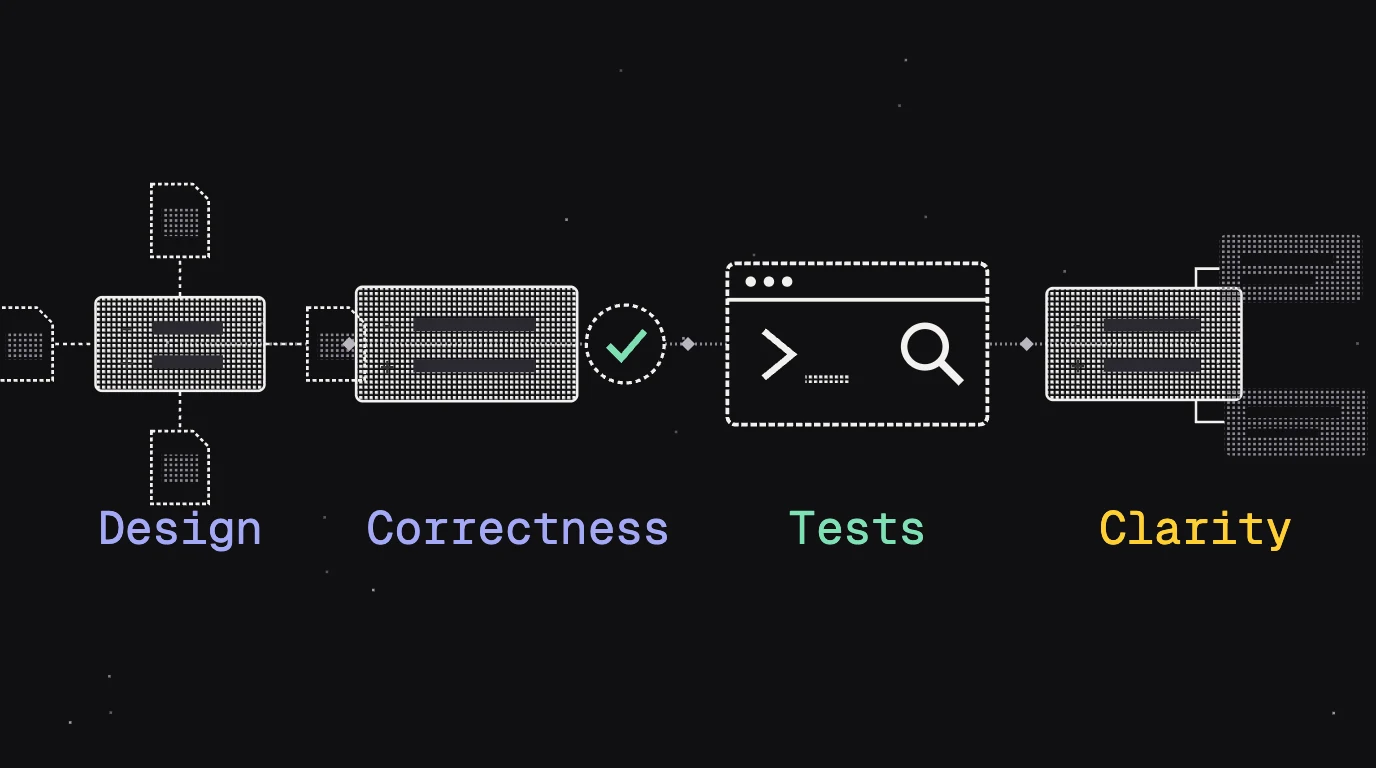
Code review checklist: what to check in every PR
A code review checklist grouped by design, correctness, tests, security, performance and AI-generated code, plus how to turn it into REVIEW.md rules.
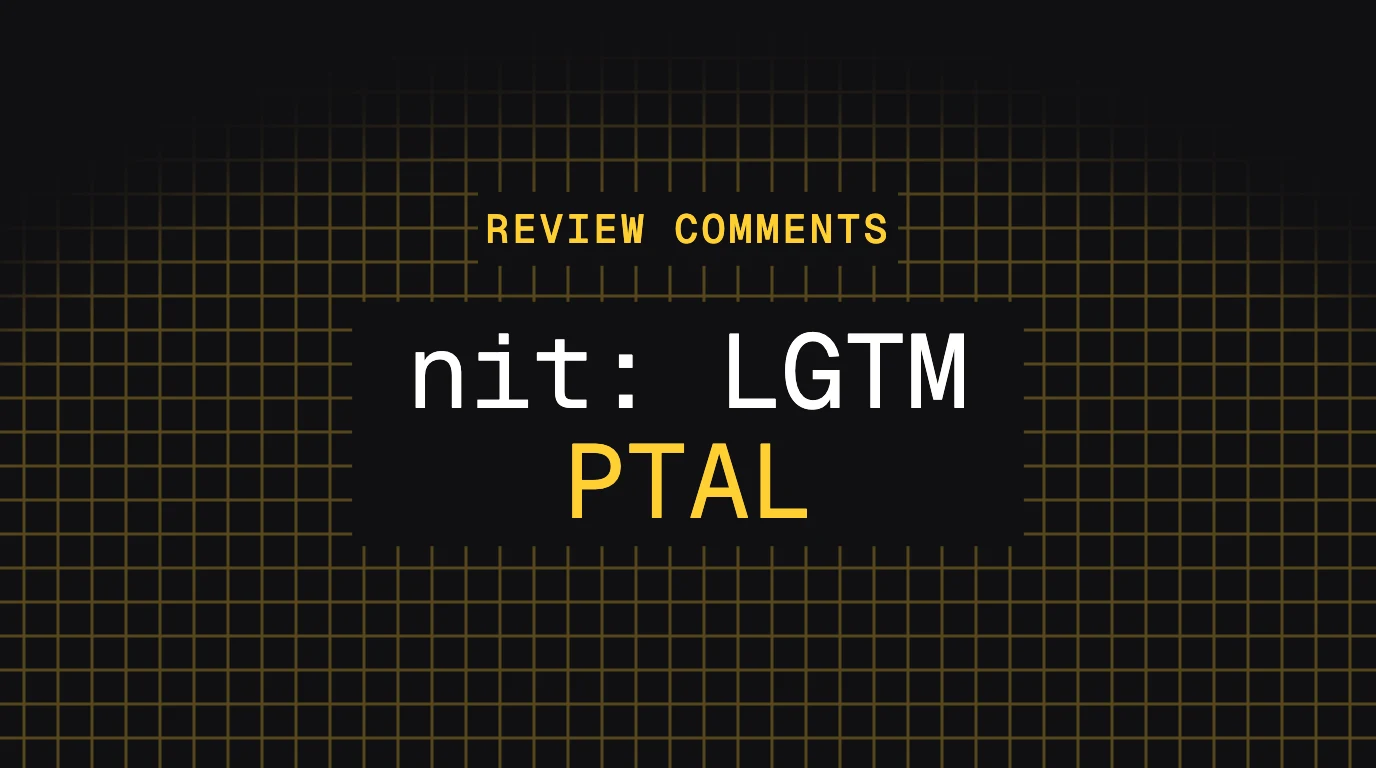
Nit meaning in code review: comment terms and examples
What nit means in code review, plus LGTM, PTAL, SGTM, Conventional Comments labels and examples of clear review comments, from vague to useful.
GitHub pull request template: examples you can copy
Add a pull request template on GitHub: where the file goes, how multiple templates work, and templates to copy for bug fixes, features and agent-written PRs.
AGENTS.md file: best practices and a full example
What an AGENTS.md file is, where it goes, what to put in it, and how Codex, Claude Code, Cursor and Copilot read it, with a full example you can copy.
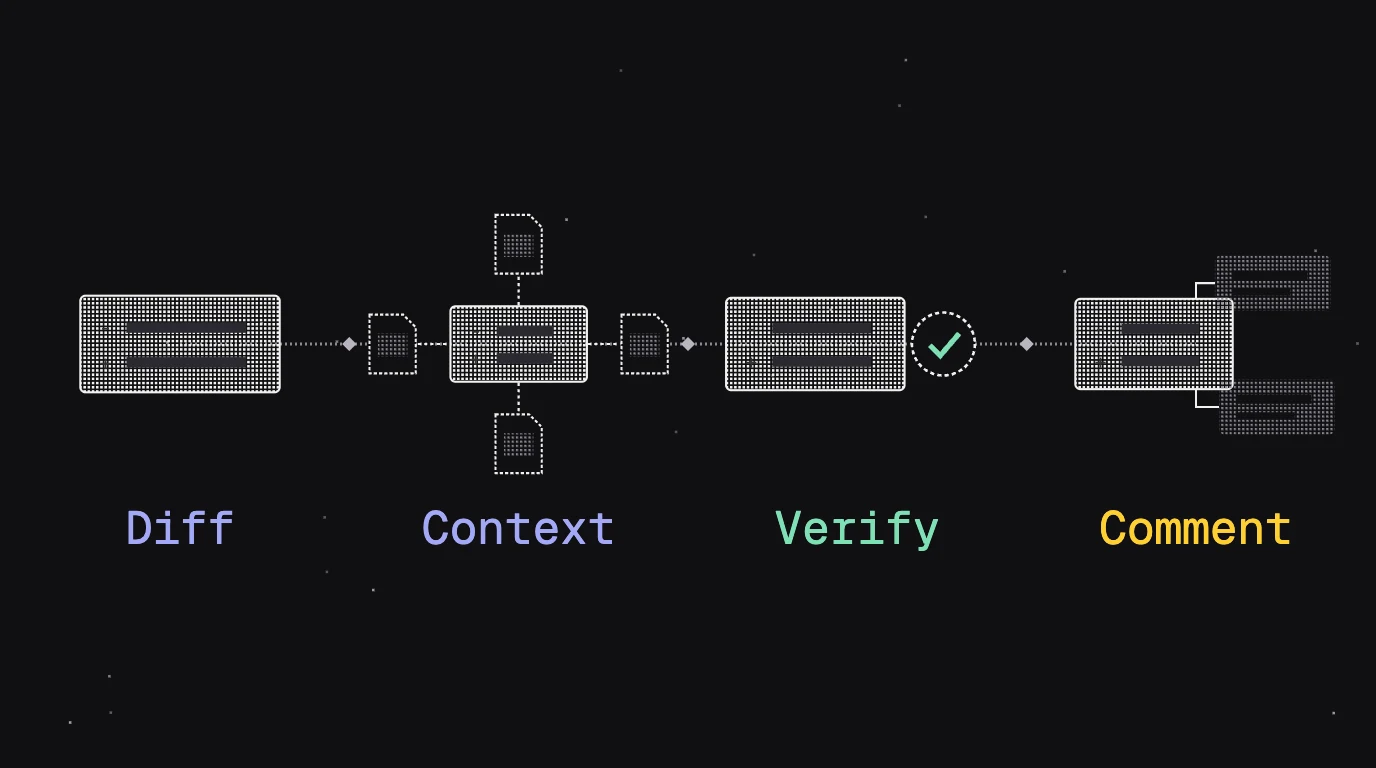
How AI code review works, and what it still misses
How AI code review checks a pull request, what it catches and misses, why false positives matter more with coding agents, and how to measure a reviewer.
How to use the Claude Code review skill (/code-review)
Run /code-review in Claude Code, use --fix and --comment, set up Claude Code Review on GitHub, and decide when an independent PR reviewer is worth adding.
How to use Codex code review on GitHub and in the CLI
Turn on Codex code review for GitHub, request reviews with @codex review, run /review in the CLI, and write review rules in AGENTS.md.
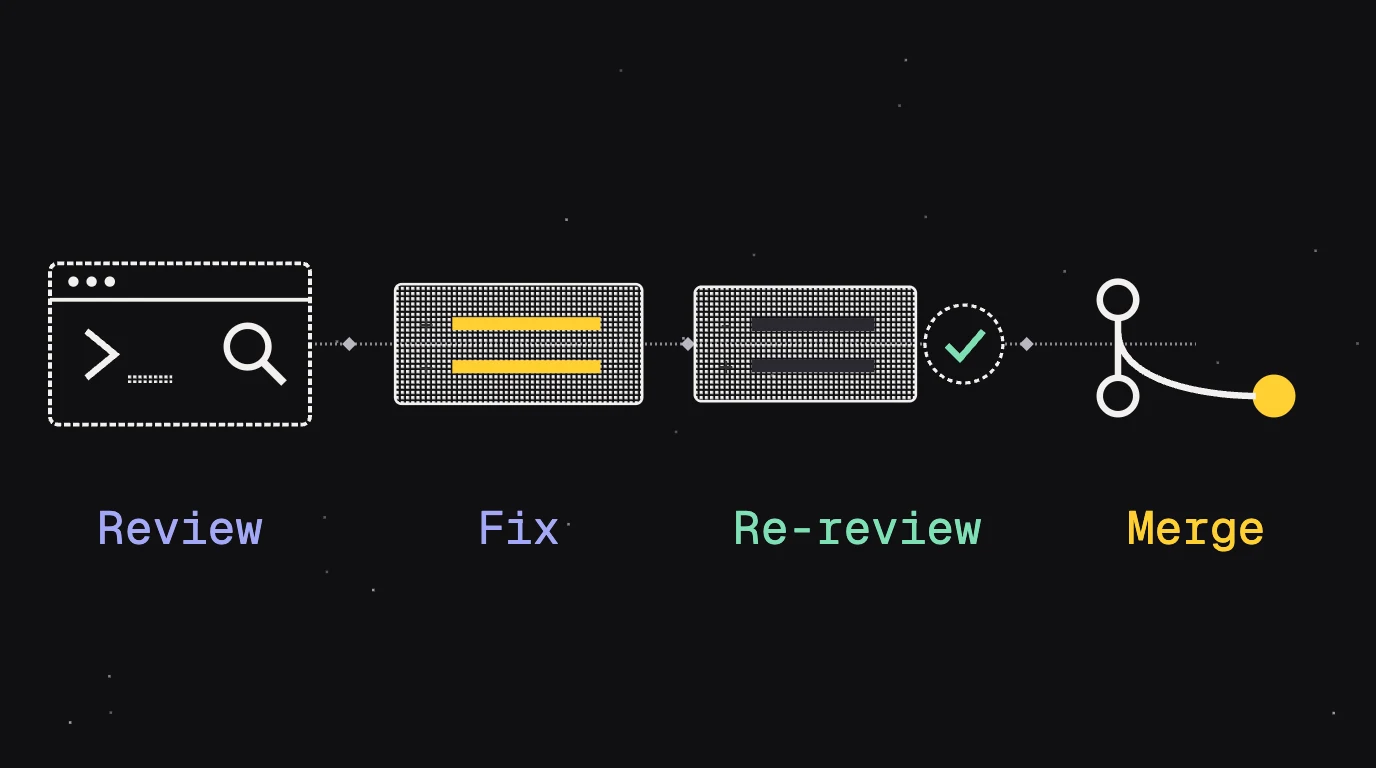
How our team does code review, the Claude Code way
How we use HeyDeer to apply Anthropic’s approach to code review: approve PRs by risk level, let people judge direction, and hand review and fixes to AI.
How to evaluate AI code review on your own pull requests
Compare AI code review tools on your own PRs. Measure useful findings, false positives, and cost, including seat fees and usage-based pricing.